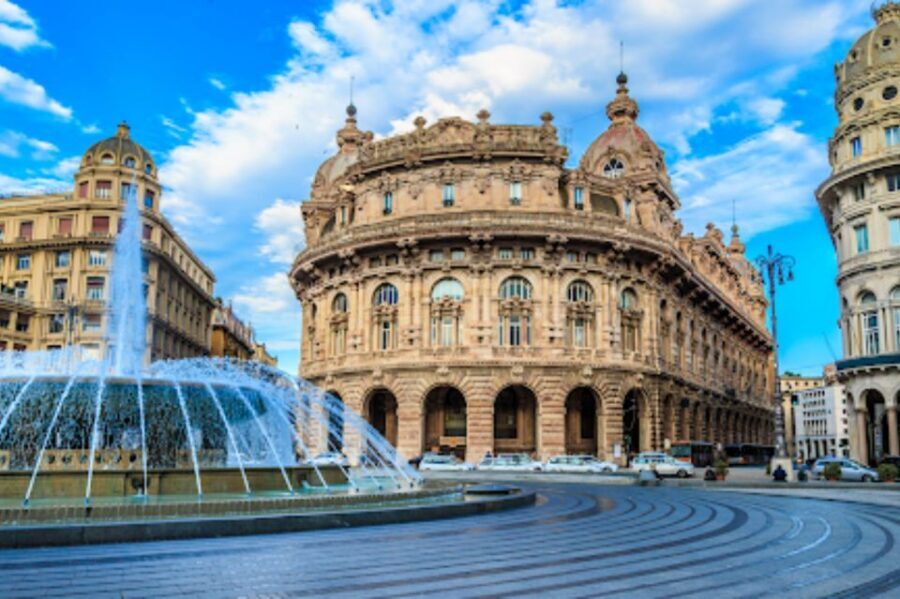
REVIEW · MILAN
Entrance to the Leonardo da Vinci Science and Technology Museum
Book on Viator →Operated by National Museum of Science and Technology Leonardo da Vinci · Bookable on Viator
Science and Leonardo meet inside Milan.
This ticket gets you into the Leonardo da Vinci Museum of Science and Technology in the cloisters of a 16th-century Olivetan monastery, where the exhibits trace links between past, present, and future. The big draw is the Leonardo da Vinci galleries—a story told through models, art, old volumes, and installations that connect his curiosity to real-world engineering.
I like two things right away: the museum’s mix of science sections (space, energy, transport, genetics, particle physics) and the way the Leonardo displays don’t feel like a tiny side exhibit. One possible drawback: if you want only the famous sketches and artworks, you may feel the spotlight is shared with broader science and technology history.
In This Review
- Key things to know before you go
- Entering the Leonardo Museum: cloisters, scale, and what to notice first
- The Leonardo da Vinci Galleries: 170 models and a full story of his inventions
- The rest of the museum: space, energy, transport, biology, and physics
- Iconic technology you can’t miss: trains, submarines, rockets, and the Moon
- How long you really need: 1 to 3 hours vs. a calm, satisfying visit
- Price and value: is $15.69 worth it in Milan?
- Where to meet and how to get in near Via San Vittore
- Who this is perfect for (and who may want a different Leonardo stop)
- Practical tips that make the visit smoother
- Should you book this Leonardo da Vinci museum ticket?
- FAQ
- How long does the visit take?
- What’s included with the ticket?
- Where do I redeem my ticket?
- Is the experience offered in English?
- What are the opening hours for the listed date range?
- Is the museum focused only on Leonardo da Vinci?
Key things to know before you go
- A dedicated Leonardo centerpiece: The museum highlights one of the largest permanent exhibitions about Leonardo da Vinci, built around 170 historical models plus manuscripts and related material.
- Hands-on style, not just reading: Expect digital installations and laboratories across astronomy and space, energy and materials, transport, nutrition, genetics/biotechnology, and particle physics.
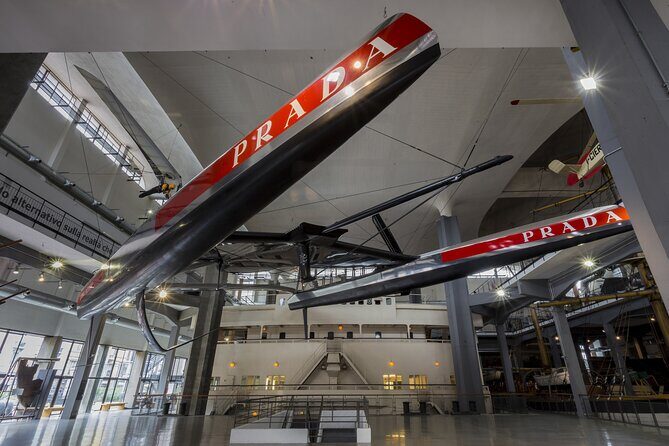
- Expect famous objects, too: You’ll see major technological highlights like steam trains, the AC72 Luna Rossa catamaran, the submarine Toti, the launcher Vega, and the only fragment of the Moon in Italy.
- Give yourself real time: The scheduled visit is about 1 to 3 hours, but the museum is large enough that many people end up staying longer if they slow down for the models and video elements.
- Pick an earlier time slot: Hours can be tighter than you might expect on the day, so arriving early helps you avoid last-call pressure.
- Floor-by-floor pacing works well: Clear layout helps you follow a smooth flow through areas rather than getting stuck in one corner.
Entering the Leonardo Museum: cloisters, scale, and what to notice first
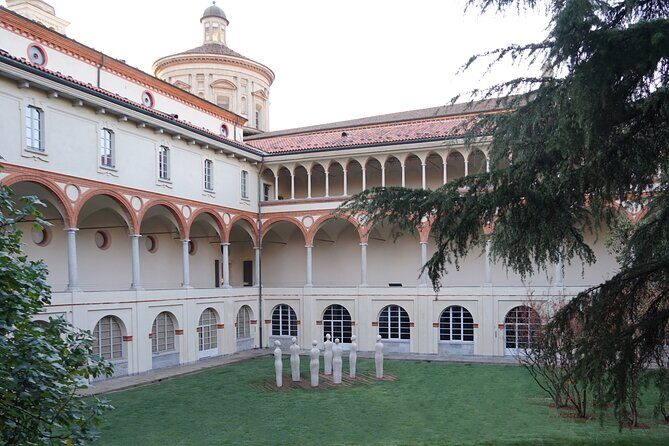
The Leonardo da Vinci Science and Technology Museum sits in a dramatic setting: a 16th-century Olivetan monastery. That matters more than it sounds. The stone architecture gives the exhibits a sense of place—like science is being presented as something long-lived, not just a modern theme park.
After you enter, take a minute to get your bearings. This museum has a clear, walkable layout, and it’s easy to drift if you don’t choose a plan. If your main goal is Leonardo, start in the Leonardo galleries first, then sweep outward into the broader science areas. If you’re a science-first person, start with the labs and interactive sections, then circle back for Leonardo.
A small practical note: the museum is offered in English, and descriptions are available in Italian and English. That’s helpful because some exhibits still benefit from reading the details even when visuals do a lot of work.
You can also read our reviews of more museum experiences in Milan



The Leonardo da Vinci Galleries: 170 models and a full story of his inventions
If you only have one priority, make it the Leonardo galleries. This is where you’ll find the museum’s strongest “Leonardo focus” package: the largest permanent exhibition dedicated to him, built as a scenographic journey. The concept is simple and smart: you don’t just see models. You see a narrative of Leonardo as engineer, humanist, and investigator of nature.
What you’ll actually see includes:
- 170 historical models connected to his ideas and engineering thinking
- works of art and installations that frame his observations
- ancient volumes—plus materials that help connect his notes to how inventions work
A big part of why this gallery works is pacing. The displays are designed to connect Leonardo’s curiosity to themes that still matter: how we build, how we measure, how we imagine systems, and how ideas move from sketches to structures. Even when you’re not reading every text, the layout guides your attention.
If you’re expecting a room of only Leonardo originals, adjust your mindset. This museum is Leonardo-centered, but not Leonardo-only. You’ll spend time with his work and writing, yes—but you’ll also see how his thinking fits into the long timeline of science and technology.
The rest of the museum: space, energy, transport, biology, and physics
The museum’s second job is breadth: it covers major science and technology topics through exhibits, digital installations, and laboratories. This is the section that tends to win over people who like more than one angle—engineering as well as science theory.
Here are the themed areas you’ll run into:
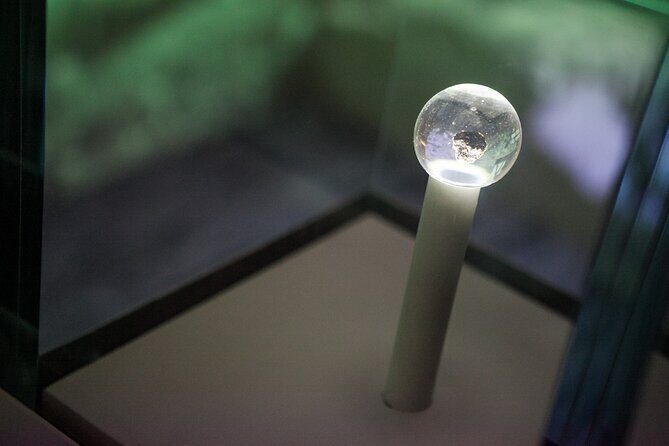
- Astronomy and space (including a special-feeling object: the only Moon fragment in Italy)
- Energy and materials
- Transport
- Nutrition
- Genetics and biotechnology
- Particle physics
What makes these sections more than a list of topics is the mix of formats. You get visual displays, installations that help you “see” concepts, and spaces that feel like mini-labs. You’ll often find video elements and interactive-style components that make the information easier to process quickly—especially if you’re visiting with mixed ages.
One thing I’d plan for: the museum is large. Even if you’re laser-focused on Leonardo, the surrounding science areas are so well presented that it’s hard not to pause. If you’re traveling with someone who gets bored by museums, this is a good match—because there’s always a new model, a new machine, or a new concept around the next turn.
Iconic technology you can’t miss: trains, submarines, rockets, and the Moon
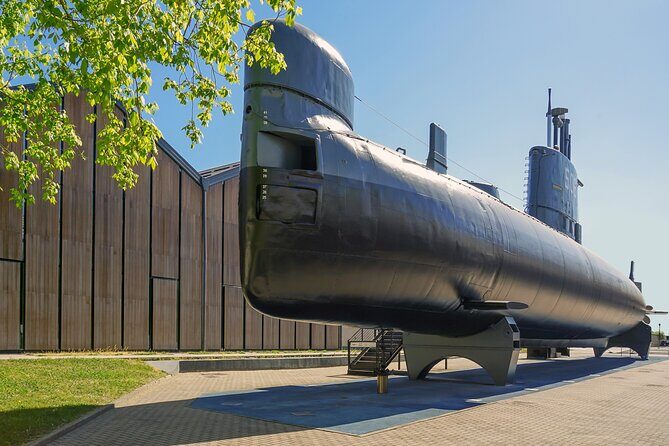
Several standout objects give the museum real “wow” power. These are the items you’ll hear people point out as they walk through—because they’re recognizable and they feel like history you can touch.
Among the notable highlights:
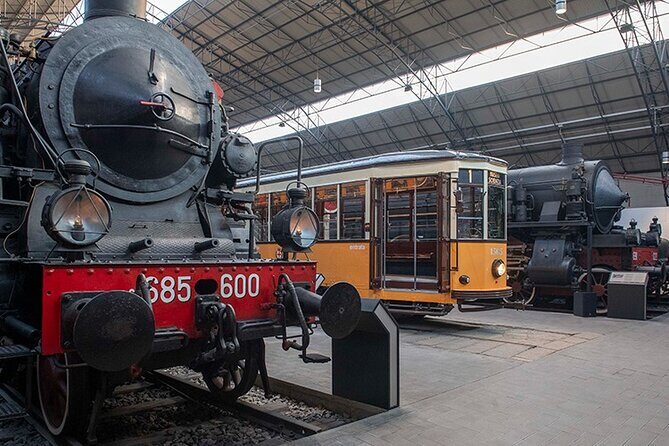
- Steam trains
- The AC72 Luna Rossa catamaran
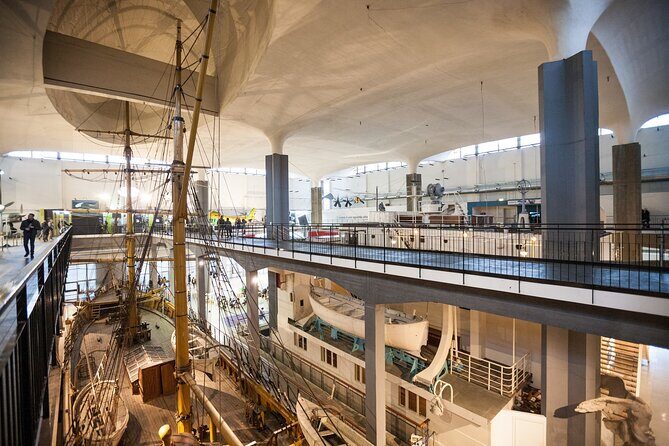
- The schooner brigantine Ebe
- The transatlantic Conte Biancamano
- The submarine Toti
- The launcher Vega
- The only fragment of the Moon in Italy
This is where the museum’s theme of past-to-present becomes concrete. You’re not just reading about technology. You’re looking at vehicles, machines, and space hardware that represent engineering leaps.
If you like models, keep an eye out for the way they show design details. The museum leans into scale and explanation, so even if you’re not a technical person, you can still follow the idea of how things work.
How long you really need: 1 to 3 hours vs. a calm, satisfying visit
The experience is listed for about 1 to 3 hours, but the museum’s size makes that a “minimum” number for many people. If you want to actually enjoy the Leonardo galleries and also sample science sections, I’d plan closer to 2.5 to 3.5 hours. If you’re the type who reads labels and lingers at models, give yourself more.
A smart approach:
- Start with Leonardo galleries (so you don’t run out of time)
- Choose 2–3 science themes to explore more deeply
- Leave space for the big iconic objects (especially if they’re at the far end of the route)
Also pay attention to the day’s closing rhythm. One of the consistent practical takeaways is not to trust a late slot to stay comfortable. If you book around the later part of the day, arrive early and plan to be inside before the last-call feeling starts.






Price and value: is $15.69 worth it in Milan?
At about $15.69 per person, this ticket is strong value if you’re the kind of visitor who likes museums that mix education with big visual impact. You’re not paying for a single themed room—you’re buying access to a large science-and-technology museum with a top-tier Leonardo centerpiece.
Here’s what makes it feel worth it:
- A major permanent Leonardo exhibition built around models and historical material
- Multiple science themes with digital installations and labs
- Famous technological objects that add “wow” without extra ticketing
Where value may depend on you: if Leonardo da Vinci is the only thing on your list, this museum shares attention with the broader history of science and technology. In that case, you may feel better served by a more Leonardo-only option. If you’re happy with “Leonardo plus science,” the museum’s price-to-content ratio is about as good as it gets.
Where to meet and how to get in near Via San Vittore
You’ll redeem your ticket at Leonardo da Vinci Museum of Science and Technology, Via San Vittore, 21, 20123 Milano MI. The museum is near public transportation, which is great because Milan traffic can slow you down even when you do everything right.
Before you head over, keep two habits:
- Check the opening hours for your exact day. The listed hours for the shown date range run Tuesday through Friday, 10:00 AM to 3:30 PM.
- Plan to arrive a bit early rather than right at your time slot.
As for services on site: service animals are allowed, and the museum is generally manageable for most travelers.
Who this is perfect for (and who may want a different Leonardo stop)
This museum fits a specific travel personality: you like ideas that turn into machines. It’s a great choice for:
- engineering and science enthusiasts
- families with older kids who enjoy models and experiments
- anyone who wants Leonardo in context, not just as an isolated genius
It can be less satisfying if your top goal is a tight, Leonardo-only walkthrough. The museum’s Leonardo section is a major highlight, but the rest of the building covers broader science and technology themes. If you want lots of Leonardo work in a smaller, more focused setting, you might feel like you need to search harder for only the purest Leonardo materials.
For kids under about 10, the museum may feel uneven depending on what they like. Some areas are interactive and visual, but it’s not guaranteed to be a full “everywhere is hands-on” experience.
Practical tips that make the visit smoother
A few small moves make a big difference here:
- Start with what you care about most. If Leonardo matters most, go first.
- Don’t plan a late slot if you dislike being rushed. Arrive early to keep the day relaxed.
- Budget for reading time. English is available, and descriptions also come in Italian—labels add a lot to the models.
- Wear comfortable shoes. The museum is big, and you’ll walk between themed sections.
- Plan snacks ahead if you’re picky. The museum may not have a full sit-down meal setup; you might find limited food options such as vending.
If you want the best experience with the least stress, I’d treat this like a half-day museum: start strong, move with purpose, then slow down for the Leonardo models and the science sections that match your interests.
Should you book this Leonardo da Vinci museum ticket?
Book it if you want a Leonardo da Vinci experience that’s bigger than one gallery. For a single ticket, you get Leonardo as the star attraction and you also get serious science and technology exhibits across major themes, plus iconic machines and vehicles. For $15.69, it’s a good match for visitors who like diagrams, models, and practical inventions.
Don’t book it if you’re hunting for a very narrow Leonardo-only fix. If your idea of the perfect visit is a tight focus on Leonardo’s work with little distraction from broader science history, you may end up wanting a different Leonardo-centered museum experience instead.
If you can align with the timing—arrive early and plan at least a couple of hours—the Leonardo da Vinci Museum of Science and Technology is one of the most satisfying “smart and visual” stops in Milan.
FAQ
How long does the visit take?
The experience is listed as about 1 to 3 hours. In practice, many people prefer to plan closer to 2.5 to 3.5 hours to see the Leonardo galleries and spend time in other science sections.
What’s included with the ticket?
Admission to the National Museum of Science and Technology Leonardo da Vinci is included.
Where do I redeem my ticket?
You redeem your ticket at Leonardo da Vinci Museum of Science and Technology, Via San Vittore, 21, 20123 Milano MI, Italy.
Is the experience offered in English?
Yes. The experience is offered in English.
What are the opening hours for the listed date range?
For the provided date range, hours are Tuesday through Friday from 10:00 AM to 3:30 PM.
Is the museum focused only on Leonardo da Vinci?
Leonardo da Vinci is a major highlight, especially in the Leonardo galleries. But the museum also covers many science and technology topics, so it’s not Leonardo-only.