REVIEW · MILAN
Milan: Fresh Pasta and Tiramisù Class in A Historical Home
Book on GetYourGuide →Operated by Cooking Class in Italy · Bookable on GetYourGuide
Milan’s pasta class is more than cooking. You’ll learn fresh pasta and a classic tiramisù inside a downtown home packed with antique art—so the whole 3 hours feels like visiting a private museum. I love that it’s truly hands-on and that you also sip limoncello made with lemons from the terrace; one possible drawback is that it’s not a quiet, sit-and-watch experience, so comfortable shoes and patience for a lively group matter.
What makes this class special is the family feel. Depending on the date, you may be guided by instructors such as Caterina (Bruna’s granddaughter), Federico (often called Fred), or Luca, with plenty of humor and group energy. With a starting point near Duomo and clear meeting directions, you can focus on learning—and not on hunting down the venue.
In This Review
- Key Things I’d Focus On Before You Go
- A Milan Cooking Class Inside an Art-Filled Historical Home
- How You’ll Spend the 3 Hours: Pasta Making With Real Steps
- Tagliatelle: soft ribbons with tomato sauce
- Ravioli: the classic “fill, seal, and cook” lesson
- Tiramisù in a Real Italian Style (and Why the Timing Matters)
- Limoncello, Wine, and the Meal That Feels Like an Italian Evening
- The Art-Filled Home Experience: Why It Improves Your Cooking
- Price and Value: Is $84.96 Worth It?
- Location: Getting There From Duomo Without Stress
- Who This Class Is Best For (and When to Skip It)
- What to Bring So You Enjoy It More
- Should You Book This Pasta and Tiramisù Class?
- FAQ
- What’s included in the class meal?
- How long is the cooking class?
- Where is the meeting point in Milan?
- What pasta and dessert will I learn to make?
- Are the class materials and tools provided?
- Is the class suitable for young children?
Key Things I’d Focus On Before You Go
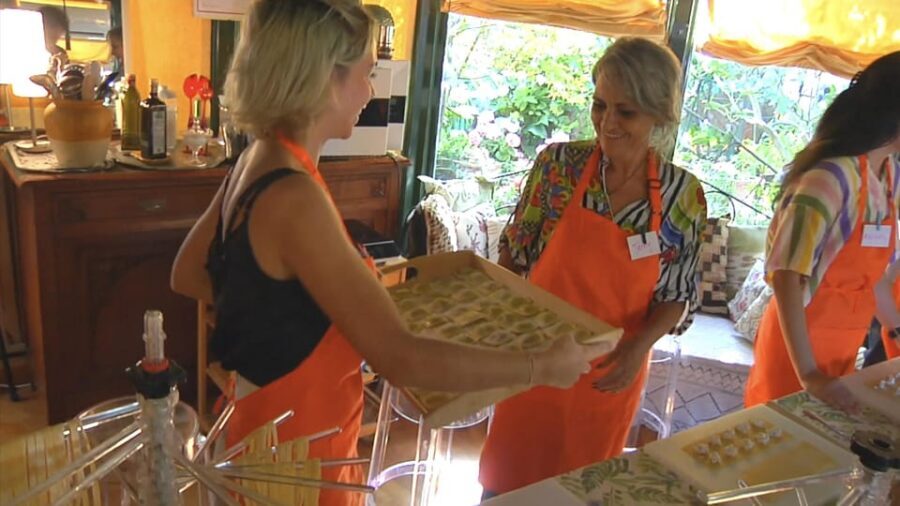
- Two pastas plus tiramisù: Tagliatelle and ravioli from scratch, then the classic tiramisù you assemble and finish
- A home that feels like a gallery: 16th-century-style paintings and antique furnishings create that museum-atmosphere
- Limoncello from terrace lemons: A small detail that makes the meal feel genuinely local
- Real instruction, not just prep: You’ll mix, cut, and shape—not just stand nearby
- You leave with the recipes: A booklet arrives by email so you can repeat it at home
- Diet help is planned: Gluten-free diners get a risotto option
A Milan Cooking Class Inside an Art-Filled Historical Home

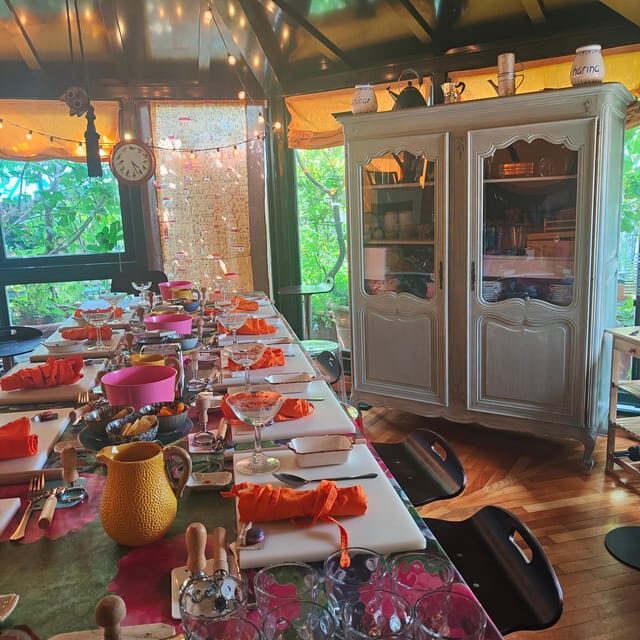
This isn’t the usual “kitchen studio” experience. The class takes place in an elegant Milan home in one of the most central areas—around the fashion/designer zone—and it has the feel of a private historical residence. Expect antique paintings and fine furnishings, including works that are described as coming from the family’s Palladiana Palace. Even if you’re not the museum type, you’ll notice the difference: you’re cooking with centuries looking over your shoulder.
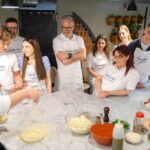
I love that the setting changes how you pay attention. When a room is visually interesting, your hands learn faster because you’re not distracted by blank walls and fluorescent lighting. And this one also has a warm, family-style pace: when Grandma Bruna is too tired, her daughter and granddaughter—or grandson—step in, keeping the cooking tradition flowing.
One thing to consider: because it’s a hands-on class in a shared space, it can feel energetic and social. If you want a silent experience, you may find the group atmosphere a bit lively.
You can also read our reviews of more historical tours in Milan



How You’ll Spend the 3 Hours: Pasta Making With Real Steps
You’ll be shown how to make pasta from scratch, and you’re not just learning theory. The class focuses on two pasta types, plus a classic dessert. The overall goal is simple: walk out able to reproduce the basics at home, not just able to brag you wore an apron in Milan.
Tagliatelle: soft ribbons with tomato sauce
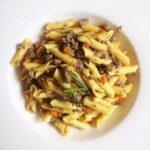
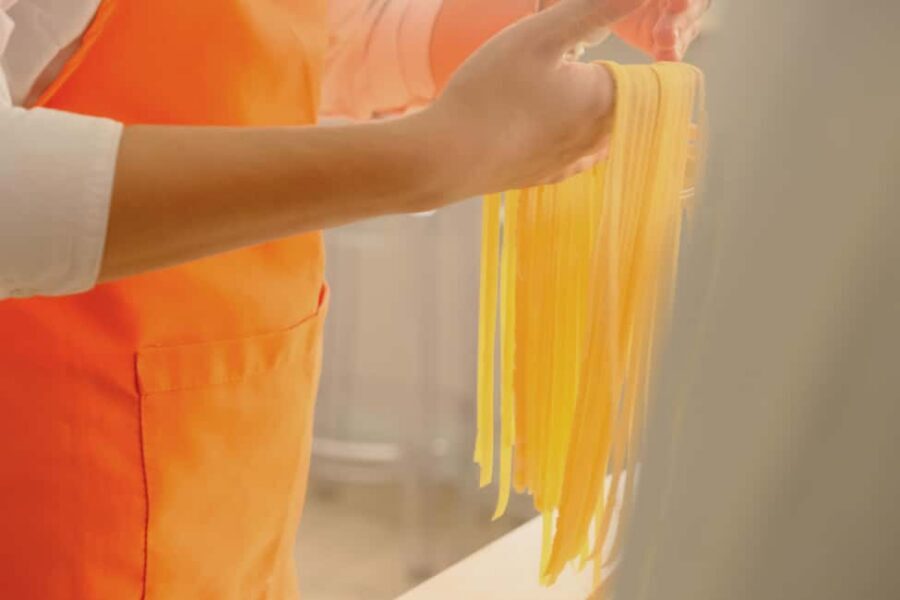
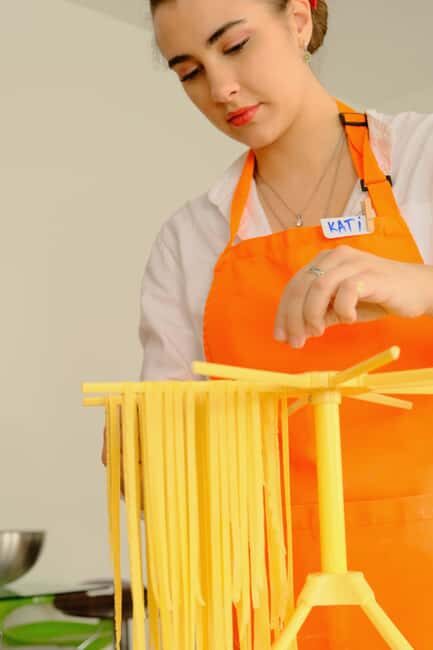
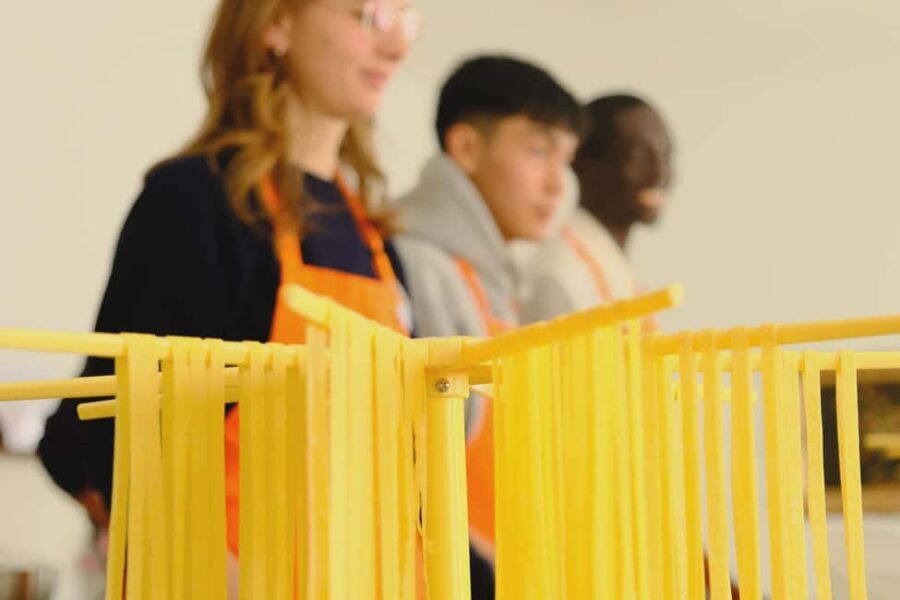
Tagliatelle is a great choice for a first-time pasta lesson. It’s tactile, forgiving enough to learn quickly, and it teaches the rhythm of rolling and cutting without the complexity of shapes that require lots of practice. In this class, tagliatelle is paired with tomato sauce, so you taste the full loop: dough skills plus finishing with a proper Italian sauce.
If you’ve ever tried homemade pasta at home and it felt either too dry or too sticky, you’ll appreciate the step-by-step guidance here. Pasta is all about texture, and the teaching method seems designed for newcomers—lots of hands-on correction and a pace that keeps you moving.
Ravioli: the classic “fill, seal, and cook” lesson
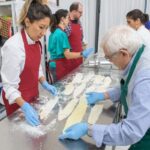
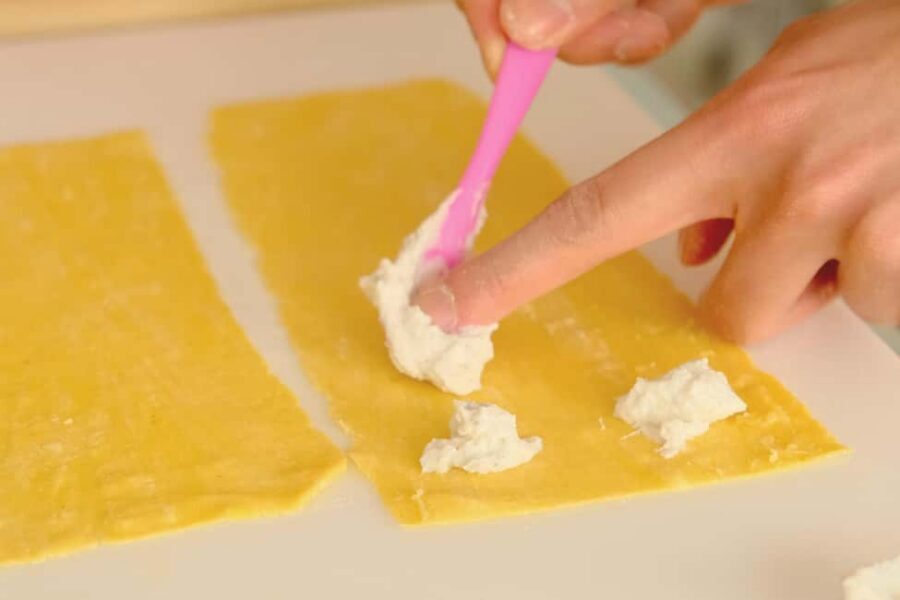
Ravioli is where you learn a key Italian technique: shaping something filled, then sealing it so it holds together. The lesson includes ravioli with butter and sage. That pairing matters, too. Sage adds aroma that doesn’t overpower, and butter helps the pasta taste rich without needing a complicated sauce.
Ravioli from scratch can intimidate people, but the class is built around getting you to finish what you start. Tools and aprons are provided, and the group structure supports you while you cut and shape. You’ll also sit down to eat the dishes you made—so you get that satisfying payoff right away.
Tiramisù in a Real Italian Style (and Why the Timing Matters)
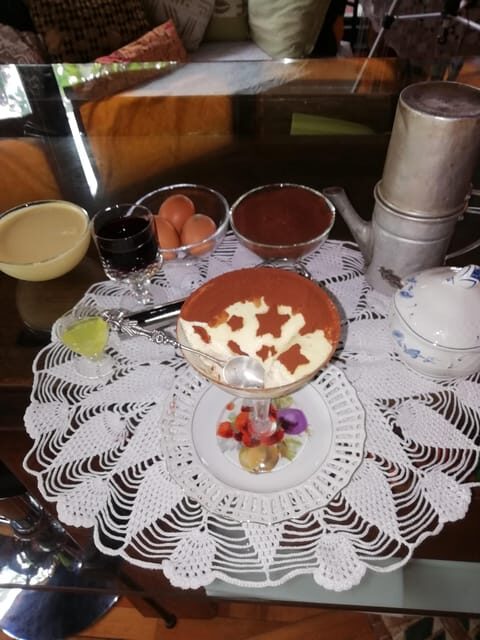
Tiramisù here is the classic Italian version. The biggest practical win is that you learn how to assemble it properly, including the way it’s handled for texture.
One detail I think you’ll enjoy: at least some sessions prepare tiramisù earlier and then put it into a flash freezer before serving. That approach helps set the dessert so it’s ready when the meal happens. Translation: you get a finished slice that tastes right, not a dessert that’s still too soft or uneven.
You’ll be working together on the assembly, and the instructors keep it clear and organized so you’re not left wondering what step comes next. Many classes treat tiramisù like a simple mixing task; this one gives you more confidence because you learn the order and the structure.
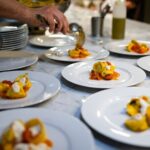
Also, you’re not just cooking dessert—you’re eating it as part of the meal you helped create. That’s when tiramisù really makes sense. Cold, creamy, and layered, it’s the perfect ending to pasta that you rolled and shaped yourself.
You can also read our reviews of more tours and experiences in Milan

Limoncello, Wine, and the Meal That Feels Like an Italian Evening
Food classes in Italy can sometimes end with a small plate. This one doesn’t. Your meal includes what you cook, plus drinks that make the whole event feel like a proper evening.
Here’s what’s included:
- Limoncello
- White wine (listed as 1/4 bottle per person) or soft drink
- Water
The limoncello is highlighted as being prepared with lemons from the terrace. That’s the kind of local detail that turns a generic “welcome shot” into something you actually remember. If you like citrus, it’s a nice match for dessert and a refreshing contrast to rich butter-and-sage ravioli.
And the wine matters for value, not just for fun. When a class includes both a meal and wine, you’re paying for instruction, ingredients, and that whole sit-down component. In other words, you’re not double-paying later for dinner.
The Art-Filled Home Experience: Why It Improves Your Cooking
Some cooking classes are built around the food only. This one stacks three experiences at once: cooking, eating, and being inside a visually rich historic space.
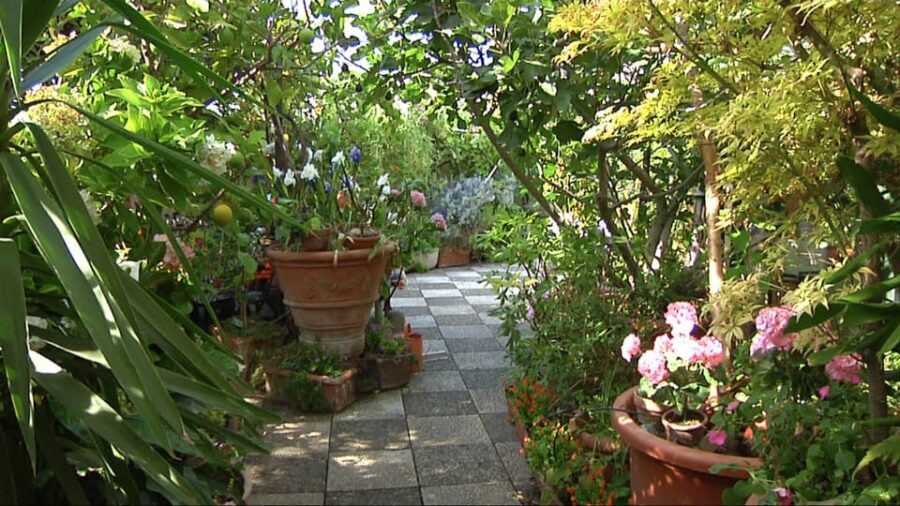
The home is described as a historical residence with 16th-century paintings and antique furnishings. The rooms are set up so you can cook surrounded by artworks, including pieces that the family’s story connects to their Palladiana Palace heritage. Whether the exact origin matters to you or not, you’ll feel the effect: it’s a more memorable atmosphere than a sterile kitchen.
I also like the way the family tradition shows up in the teaching. When the instructor is part of a multi-generation cooking line—Grandma Bruna and her family stepping in—there’s a sense that the recipes are treated like something worth preserving. That often means clearer teaching, less “shortcut” mentality, and more pride in getting the details right.
Price and Value: Is $84.96 Worth It?
At $84.96 per person for a 3-hour experience, you’re paying for several things at once: instruction, ingredients and tools, a full meal, wine or soft drink, and limoncello. You also get recipe support afterward via an email booklet.
Compared with “just dinner,” this is expensive if you only want to eat. But if you want skills, the math shifts. You’re learning:
- Two pasta methods (tagliatelle and ravioli)
- A classic tiramisù assembly
- How the meal ties together with Italian finishing choices (like butter and sage)
You also leave with the ability to recreate it. The recipe booklet by email is a big deal because it turns a one-time meal into a skill you can use later. And gluten-free diners have a planned option: a gluten-free risotto included.
The only cost-style drawback I see from the structure is that it’s not designed for people who want to sit back. If you get uncomfortable in hands-on group cooking, you may feel the “value” is less, because part of what you’re paying for is participation.
Location: Getting There From Duomo Without Stress
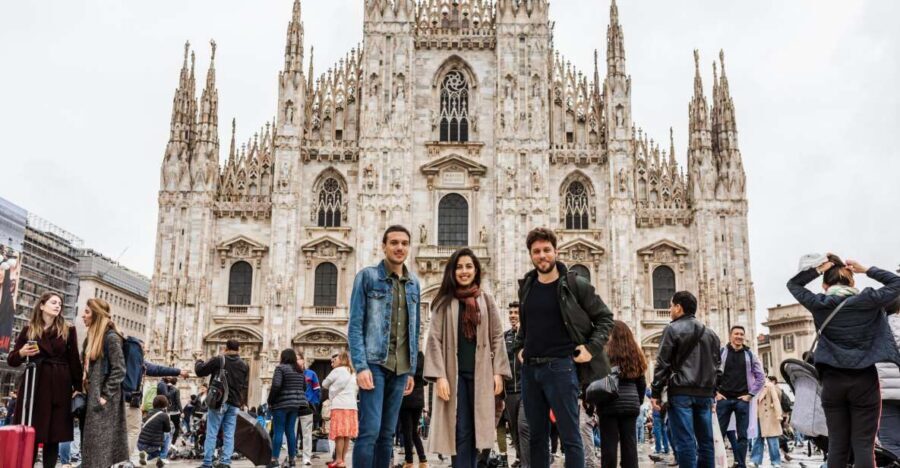
The meeting point is Via Dezza 47, Milan, in the center. You’re told it’s about 20 minutes on foot from Duomo Square, and the class area is described as 5 minutes walking from Duomo Square in the designer/fashion zone—so you’ll likely walk a short, straightforward route depending on your exact starting point.
You also have easy subway access:
- Blue line: Coni Zugna – Via Foppa (listed as the easiest, about 20 meters away)
- Green line: Sant’Agostino (about 500 meters away)
This matters because the class is 3 hours, and you don’t want your evening eaten up by transit confusion. With clear nearby stations, you can plan to arrive early, take a few photos around the central streets, and then settle in.
Who This Class Is Best For (and When to Skip It)
This is a strong fit if you:
- Want a practical skill you can repeat at home
- Like social energy and learning with other people
- Prefer an authentic home setting over a standard tour kitchen
- Care about food details like texture, sealing, and correct finishing
It may be less ideal if:
- You dislike an active group format
- You’re traveling with small children (the class is noted as not suitable for children under 8)
- You have mobility constraints tied to small indoor spaces (it’s listed as wheelchair accessible, but you’ll still want to consider comfort in a home-style setting)
What to Bring So You Enjoy It More
The class asks for a few practical items:
- Comfortable shoes (you’ll be standing and moving)
- A camera
- Comfortable clothes
- Biodegradable insect repellent
That insect repellent note hints that you might spend some time outdoors during the experience, or at least pass near terrace areas. Bring it and you’ll avoid the “why am I itchy?” problem mid-class.
Also: no smoking indoors, no backpacks, and unaccompanied minors aren’t allowed. If you’re arriving with a backpack for the day, plan to store it before you come.
Should You Book This Pasta and Tiramisù Class?
If you want a Milan experience that mixes real cooking skills with something memorable beyond the food, I’d book it. The biggest reasons are hands-on pasta making, a classic tiramisù that you learn the structure of, and the fact that the meal includes limoncello and wine so you’re not hunting for dinner afterward.
Book it especially if you like the idea of cooking in a historic, art-filled home. That atmosphere isn’t just decoration—it changes the feel of the whole evening and makes the time go fast.
The main reason to hesitate is if you hate lively group energy or want a quiet, minimal-contact style class. Otherwise, this is an excellent value-for-time way to learn Italian cooking in the center of Milan.
FAQ
What’s included in the class meal?
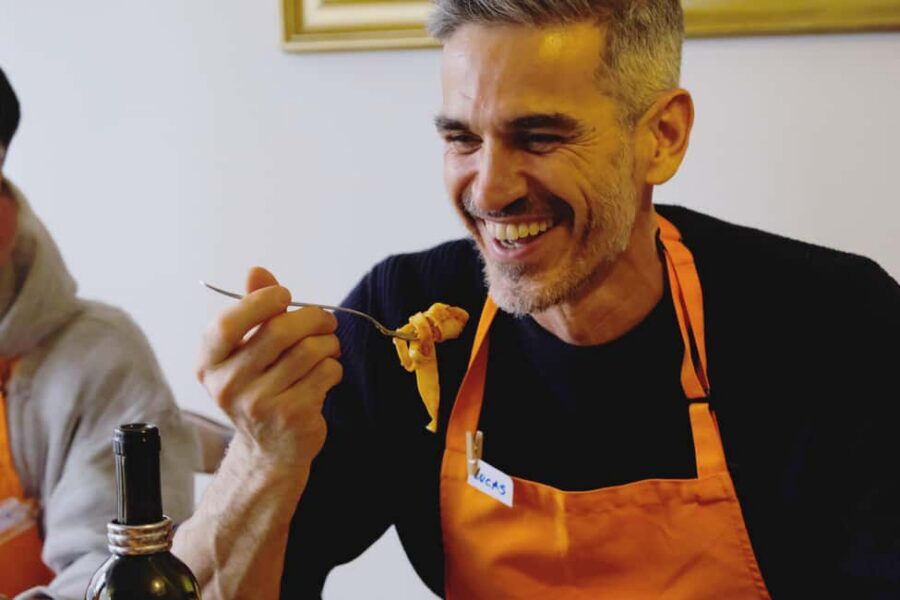
You’ll eat what you prepare, including tagliatelle with tomato sauce, ravioli with butter and sage, and traditional tiramisù. The class also includes meal service with white wine (1/4 bottle per person) or soft drink, plus limoncello and water.
How long is the cooking class?
The experience lasts 3 hours.
Where is the meeting point in Milan?
Meet at Via Dezza 47, Milan (not other cities). It’s described as very close to the subway stop Coni Zugna – Via Foppa and also reachable from Sant’Agostino.
What pasta and dessert will I learn to make?
You’ll learn two types of pasta: tagliatelle and ravioli. You’ll also make classic Italian tiramisù.
Are the class materials and tools provided?
Yes. All tools and aprons are included, and you also receive a recipe booklet by email with the instructions.
Is the class suitable for young children?
It is not suitable for children under 8 years old.