REVIEW · MILAN
Museum of Senses Milan admission ticket
Book on GetYourGuide →Operated by Museum of Senses Milano · Bookable on GetYourGuide
Your shoes and your senses both get a workout. The Museum of Senses in Milan is built as a walk-through sensory lab, where you switch from thinking to feeling as you move from sight to balance.
What I like most is how hands-on it is, with activities for both adults and kids that don’t require any special skills. I also like that you’re given a Senses Kit concept (special socks plus a Taste Box) so you’re not just watching—you’re participating.
One consideration: it can feel short for the price. If you’re hoping for a long, deep museum-style afternoon, you may finish faster than you expect.
In This Review
- Key Highlights to Know Before You Go
- Museum of Senses Milan: What This Ticket Really Delivers
- Six Senses, One Flow: How You’ll Move Through the Rooms
- Sight Stations: Optical Tricks That Make You Rethink What You See
- Hearing Experiences: Sound-Based Interactions You Can Control
- Smell and Taste: The Senses Kit and Taste Box Factor
- Touch and Tactile Floors: Why the Socks Matter
- Balance: The Body-Wired Part of the Museum
- Dedicated Photo Spots and Staff Help: Make It Work for Real Life
- Time Planning and Value: Is $18 Worth It?
- Who Should Go (and Who Might Skip It)
- Should You Book the Museum of Senses Milan Ticket?
- FAQ
- What is the price of the Museum of Senses Milan admission ticket?
- How long is the ticket valid?
- What senses are included in the experience?
- Are the socks required, and are they included?
- Is a Taste Box included?
- Is the museum wheelchair accessible?
- Is the museum suitable for everyone?
Key Highlights to Know Before You Go

- Six-sense route: Sight, hearing, smell, touch, taste, and balance are built into the experience.
- Tactile floors with included socks: Your feet get part of the show, and you don’t have to bring anything.
- Taste Box included: You get a dedicated taste-area moment rather than a random stop.
- Staff on hand: There are people available with explanations during your visit.
- Photo-ready spaces: There are designated spots for memorable pictures.
- A family-friendly format: It works for adults and children, with safety notes posted inside.
Museum of Senses Milan: What This Ticket Really Delivers

This is not the kind of museum where you read labels and move on. The Museum of Senses Milan is set up to make your body join the conversation. You’ll move through areas designed for the six senses, each one with interactive elements meant to make you notice how your senses can trick, guide, and surprise you.
The tone is playful, but there’s also a learning angle. You’re not studying biology here. You’re experiencing how sight changes when your eyes are challenged, how sound behaves when you manipulate what you hear, and how balance can feel unfamiliar when you’re guided into it. That matters because it turns abstract “how senses work” ideas into something you can remember.
One more thing I appreciate: staff are available for explanations. That’s helpful because some installations can be confusing on first pass. If you get stuck, you’re not stuck alone.
You can also read our reviews of more tours and experiences in Milan



Six Senses, One Flow: How You’ll Move Through the Rooms

Expect a sequence of sensory zones rather than separate tours with long breaks. The museum invites you to explore areas dedicated to sight, hearing, smell, touch, taste, and balance. Each zone includes interactive experiences, so the visit tends to move at your pace—pause, try again, switch roles from observer to participant.
This kind of layout is great if you travel with kids or mixed-age groups. Everyone can engage without needing a shared background story. Adults get the fun “try it and see” factor, while kids get hands-on challenges that keep their attention.
The trade-off is that you may not get the long, winding museum feel. Because it’s interactive and activity-based, the experience can wrap up quickly if you move briskly or if some stations don’t catch your attention.
Sight Stations: Optical Tricks That Make You Rethink What You See

In the sight area, the point is simple: get you looking closely and then let something change the result. These exhibits are designed to awaken your sense of sight through interactive experiences, usually by shifting how you perceive what’s in front of you.
What I like about a sight-focused zone is that it’s instant feedback. You try something, you notice what you expected, then you see what you actually got. Even if you don’t know the science, you still leave with that “wait, that’s different” feeling—which is what the museum is going for.
If you’re the type who needs context before you start, you may want to keep an eye out for posted instructions inside the museum. The exhibits are marked with warnings and guidance depending on installation needs, so take those seriously, especially if anyone in your group has sensitivities.
Hearing Experiences: Sound-Based Interactions You Can Control

The hearing portion leans into interactive sound experiences. The museum is set up so you’re not just hearing passively—you’re engaging with what you hear, which changes the experience from background noise into a mini challenge.
This is a good zone for people who like experimentation. You can adjust how you participate, then pay attention to how your perception shifts. Hearing is also one of the senses where your expectations can be wrong, which makes the learning feel surprising rather than lecture-like.
Practical tip: if you’re visiting with kids, this is often the most “let me try” friendly area. The format naturally encourages repeat attempts.
Smell and Taste: The Senses Kit and Taste Box Factor
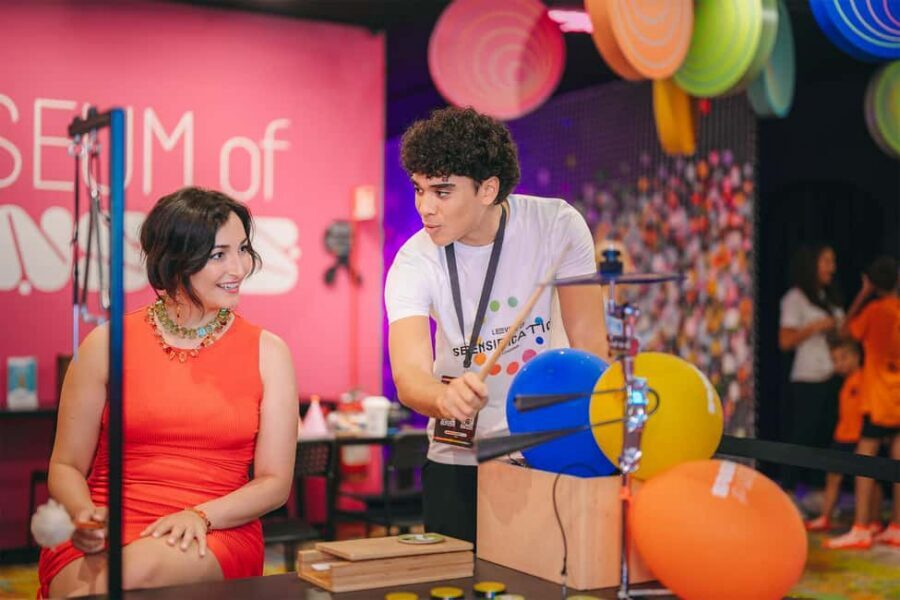
The museum doesn’t treat smell and taste as afterthoughts. These areas are part of the full sensory journey, and your ticket experience includes a Taste Box for the taste zone.
I like that inclusion, because it answers a common problem with museums: you don’t always know what’s “actually included” versus what requires an extra purchase or separate planning. Here, the tasting component is built into the activity plan.
Smell is also included as a dedicated sense area, and that’s important. Smell is highly personal. What feels pleasant for one person can feel intense for another. That’s why the museum includes instructions and warnings inside, and you should treat those as helpful, not optional—especially if you’re bringing children or anyone who may be uncomfortable with certain stimuli.
One note from how people talk about the experience: the taste experience can feel confusing if you go in expecting a traditional sweet treat. If sweets are not your goal, don’t worry. Treat the Taste Box as a sensory prompt, not a dessert bar.
You can also read our reviews of more museum experiences in Milan






Touch and Tactile Floors: Why the Socks Matter

This is one of the biggest draws. To really experience the tactile floors, the museum uses special socks designed to help you feel the surfaces. The good news is they’re included with your ticket as part of the exclusive Senses Kit (valued at €5), so you don’t need to buy anything extra on-site.
That inclusion changes how you feel the exhibits. Touch becomes more detailed. You notice texture and surface behavior in a way you wouldn’t in regular shoes. It also makes the experience feel more “real,” because your body is literally part of the interaction.
Also, tactile exhibits can be sensitive for some people. If anyone in your group has texture-related discomfort, check the posted instructions inside the museum and use them as your guide for what to try and what to skip.
Balance: The Body-Wired Part of the Museum
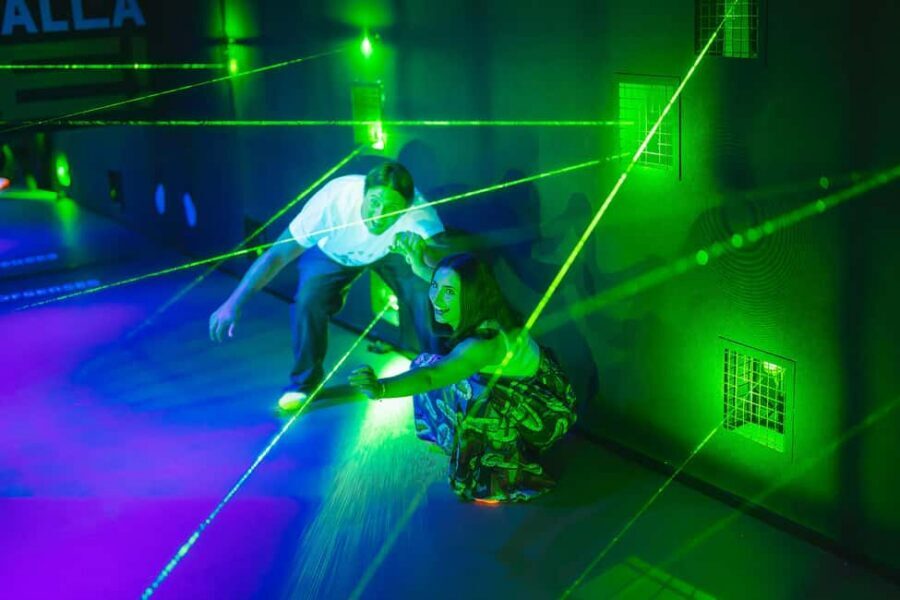
Balance is the sixth sense zone, and it’s often the one that feels more physical than visitors expect. The museum includes balance as a dedicated sense area with interactive elements, which means you’ll likely do more than just stand and look.
I like balance activities because they turn your awareness inward. You start paying attention to how your body “reads” space—how steady feels, how movement feels, and how quickly confidence can change when you’re guided into a new setup.
If you’re traveling with older adults or anyone with mobility concerns, keep an eye on the safety markings inside the museum. The installations are clearly marked with instructions and warnings to keep the experience enjoyable and safe for everyone.
Dedicated Photo Spots and Staff Help: Make It Work for Real Life

This museum is built for interaction, but it also makes space for pictures. There are dedicated areas for unique and memorable photos. That’s useful because it reduces the stress of wondering where it’s okay to pause and frame a shot.
What really helps, though, is having staff available for explanations. If an installation makes no sense at first, you can ask instead of guessing. That’s a big part of getting value out of a sensory museum. You’ll spend less time stuck and more time actually learning what the exhibit is trying to show you.
If you’re going with a group, staff guidance can also help you coordinate faster—especially when people want to try different stations at different speeds.
Time Planning and Value: Is $18 Worth It?

Price is $18 per person, and the experience is valid for 1 to 365 days, with starting times based on availability. What matters most for value is how you personally engage.
If you’re the type who likes trying every station and repeating the ones you enjoy, the museum can feel like a compact sensory playground. If you’re more of a “quick in, quick out” visitor, you may find it ends sooner than you expect. One common frustration is that the visit can feel short, with some people basically finishing in about half an hour when they keep moving.
That doesn’t mean it’s bad. It means you should treat it like a focused stop, not a full-day plan. If you’re paying $18, go in with the mindset: I’m here to play with the exhibits and do the sensory bits, then I’ll move on to the rest of Milan.
Also, there’s an overall rating around 3.9 out of 5 (from 188 reviews). That tells me the museum delivers fun for many people, but it’s not scoring as an all-day must-do. For some, the experience hits hard. For others, the pacing doesn’t feel like enough.
Who Should Go (and Who Might Skip It)
This experience suits families and anyone who prefers hands-on entertainment over traditional galleries. Adults often enjoy it when they’re curious about how senses work in real time, not as theory. Kids tend to like it because you’re doing things, not just reading.
You should think twice if:
- You want a long museum visit, with lots of time per room.
- You’re expecting a traditional explanation-heavy experience instead of interactive stations.
- You’re very sensitive to sensory inputs like touch textures or smell intensity, even though the museum posts warnings.
On the flip side, if you’re visiting Milan and want something different from churches, art, and architecture, this is a playful break that still feels structured.
Should You Book the Museum of Senses Milan Ticket?
I’d book it if you want a fun, sensory-focused stop and you’re okay with a shorter visit. The included socks for the tactile floors and the Taste Box help make the ticket feel complete, not “bring your own extras.” Plus, staff are there to explain things, which improves the odds you’ll actually understand what you’re experiencing.
I’d skip or delay booking if you’re only interested in a long, gallery-style museum day. With the interactive format, it can be quicker than you want, and the $18 price can feel steep if you’re hunting for hours of content.
If you’re flexible and want something hands-on that works for both kids and adults, this is a solid choice.
FAQ
What is the price of the Museum of Senses Milan admission ticket?
The ticket price is $18 per person.
How long is the ticket valid?
The ticket is valid for 1 to 365 days. You’ll need to check availability to see the starting times.
What senses are included in the experience?
The museum includes multi-sensory experiences dedicated to sight, hearing, smell, touch, taste, and balance, with access to all areas and interactive exhibits.
Are the socks required, and are they included?
Yes. The museum uses special socks designed to enhance the tactile floors experience, and they are included with your ticket as part of the Senses Kit.
Is a Taste Box included?
Yes. A Taste Box for the taste area is included as part of the experience.
Is the museum wheelchair accessible?
Yes, the museum is wheelchair accessible.
Is the museum suitable for everyone?
It’s suitable for everyone, but some installations may not be suitable for certain categories of visitors. Clear instructions and warnings are posted inside for each attraction, and you should follow them. Animals are not allowed.